DSCR investor loans · Nationwide
A loan that looks at the property, not your tax return
A DSCR loan qualifies your investment property on one simple question: does the rent cover the property's full monthly housing cost? If the numbers work, many investors qualify — even when a conventional loan says no because of write-offs, multiple properties, or a complicated return. I run these numbers every day, and I built this site so you can run them too, before we ever talk.
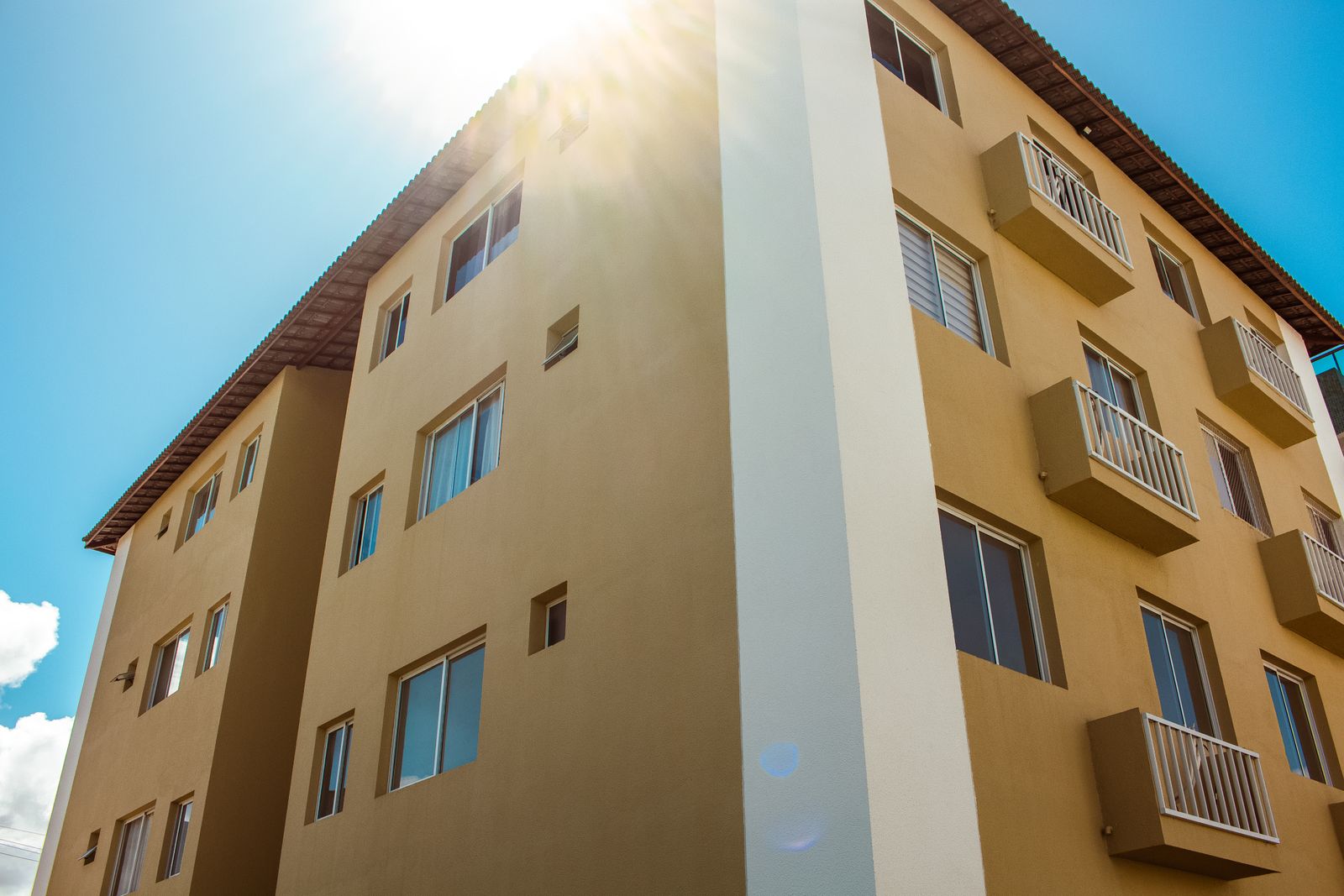
DSCR stands for debt service coverage ratio. It is a business-purpose loan for investment property only — never for a home you live in. The property is the applicant, in a sense. Its rent is compared against PITIA: principal, interest, taxes, insurance, and HOA dues if there are any. That comparison is the heart of the loan.
How it works, in one table
Say the rent is $2,400 a month. Here is how that rent gets tested against the property's costs:
| Line | Example |
|---|---|
| Monthly rent (lease or appraiser's market rent) | $2,400 |
| Principal and interest | Part of PITIA |
| Property taxes | Part of PITIA |
| Homeowner's insurance | Part of PITIA |
| HOA dues, if any | Part of PITIA |
| Total PITIA | The number the rent is measured against |
If the rent covers the full PITIA with room to spare, the property is carrying itself — and that is exactly what a DSCR lender wants to see. If the rent falls short, the deal needs a second look: a different price, a different property, or a different structure. I would rather tell you that up front than three weeks into escrow.
Rent is documented one of two ways: an existing lease if a tenant is in place, or an appraiser's market-rent schedule if the property is vacant or the lease is below market. You do not need to have a tenant on day one for the conversation to start.
Who this fits
The landlord hitting the DTI wall. You own a few rentals, they cash-flow fine, and a conventional lender still says your debt-to-income ratio is maxed out. That happens because conventional loans stack every property's full payment against your personal income. A DSCR loan looks at each property on its own rent instead.
The write-off-heavy buyer. If you are self-employed, or your accountant is good at their job, your tax return may show far less income than you actually earn. Depreciation, expenses, and deductions are smart tax planning — and they quietly kill conventional applications. DSCR underwriting does not drive the decision off that return.
The out-of-state investor. The right rental is often two states away from where you live. I am licensed in ten states and work with investors buying where the numbers pencil, not just where they happen to live.
The equity-rich owner. You have equity sitting in a rental and a next purchase in mind. A DSCR cash-out refinance lets the property's rent support pulling that equity out and putting it back to work.
What you can finance
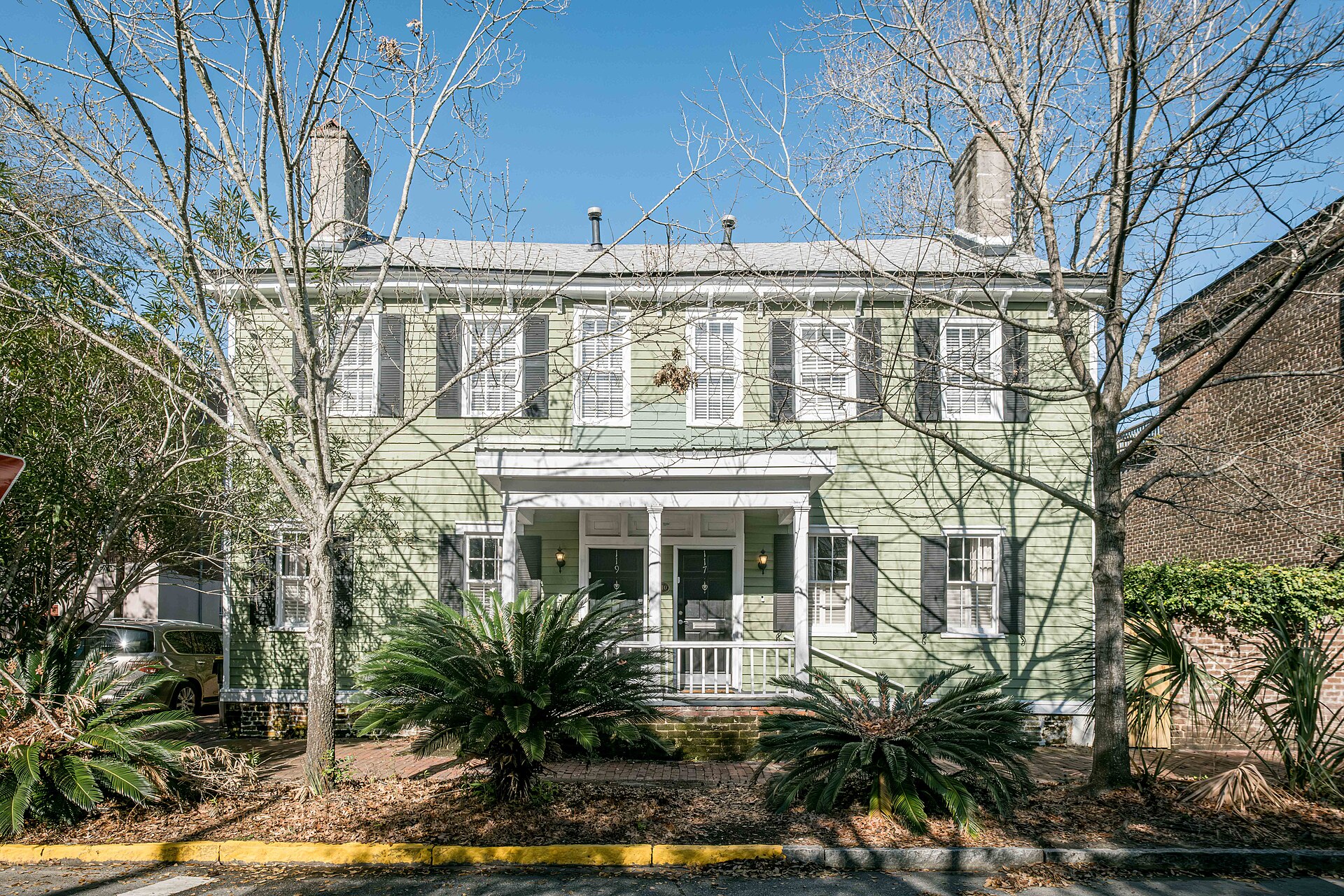
Single-family rentals, duplexes, triplexes, and fourplexes are the core. Condos and townhomes fit in many cases, and short-term rentals can work with honest documentation of the income. You can vest in an LLC or another entity in many cases, which matters for how most serious investors hold property. Fixed and adjustable options exist, and interest-only structures exist for investors focused on monthly cash flow.
Foreign-national investors have a variant path as well — you do not need to be a U.S. citizen to own cash-flowing American rental property. And if this is your first rental, you are not automatically out: first-time investors can use DSCR in many cases, as long as the property's numbers work.
One honest caution: many DSCR loans carry prepayment penalties — ask how yours is structured before you sign anything. I will walk you through it in plain English.
Licensed where you invest
I am Derek Huit, a mortgage loan officer with Cardinal Financial, based in Palmer, Alaska and licensed in ten states: Alaska, Florida, Georgia, Illinois, Indiana, Michigan, Montana, Oklahoma, Texas, and Washington. Every numbers run on this site is free, and every one gets my eyes on it personally — call me at (907) 244-9368.
DSCR loans in Alaska
How DSCR financing works for rental property in Alaska — and the local detail that changes the math.
DSCR loans in Florida
How DSCR financing works for rental property in Florida — and the local detail that changes the math.
DSCR loans in Georgia
How DSCR financing works for rental property in Georgia — and the local detail that changes the math.
DSCR loans in Illinois
How DSCR financing works for rental property in Illinois — and the local detail that changes the math.
DSCR loans in Indiana
How DSCR financing works for rental property in Indiana — and the local detail that changes the math.
DSCR loans in Michigan
How DSCR financing works for rental property in Michigan — and the local detail that changes the math.
DSCR loans in Montana
How DSCR financing works for rental property in Montana — and the local detail that changes the math.
DSCR loans in Oklahoma
How DSCR financing works for rental property in Oklahoma — and the local detail that changes the math.
DSCR loans in Texas
How DSCR financing works for rental property in Texas — and the local detail that changes the math.
DSCR loans in Washington
How DSCR financing works for rental property in Washington — and the local detail that changes the math.
RentDSCR.com
the rent-first companion — does the rent cover it? Calculator-led rent-coverage guides
DSCRalaska.com
DSCR financing for Alaska rental property — Anchorage, Mat-Su, Fairbanks, Juneau, Kenai
USA.loan
Derek Huit's national mortgage site — VA, first-time buyer, bank-statement and more
Questions investors ask
What is a DSCR loan?
A DSCR loan is a business-purpose loan for investment property that qualifies the property on its rent versus its full monthly cost — principal, interest, taxes, insurance, and HOA dues — instead of qualifying you on your personal income and tax returns.
Do I need tax returns?
In most DSCR cases, no. The decision is driven by the property's rent and costs, documented by a lease or an appraiser's market-rent schedule, not by your personal or business tax returns.
Does the rent need to cover the whole payment?
The rent is measured against the full PITIA — principal, interest, taxes, insurance, and HOA. Properties where the rent covers that full cost are the strongest fit. If your numbers are close, run them anyway and I will tell you honestly where the deal stands.
Can I close in an LLC?
In many cases, yes. LLC and other entity vesting is eligible on DSCR loans, which is how many investors prefer to hold rental property. Tell me how you want to vest and I will confirm it for your deal.
Is interest-only available?
Interest-only structures exist on DSCR loans. They lower the monthly payment during the interest-only period, which changes the rent-versus-cost math. Whether it fits depends on your hold plan — we will run it both ways.
What does the numbers run cost?
Nothing. Send me the rent and the property's costs — or use the calculator on this site — and I will run the DSCR math and tell you plainly whether the property carries itself. No obligation, no pressure.
See if your property carries itself
Tell me the property and the plan. I will run the property's numbers — rent against full housing cost — and tell you straight where the deal stands. No obligation.